
Articles
for general educational purposes only

Not every story you make up is true
The narrative fallacy tricks us with causal illusions.
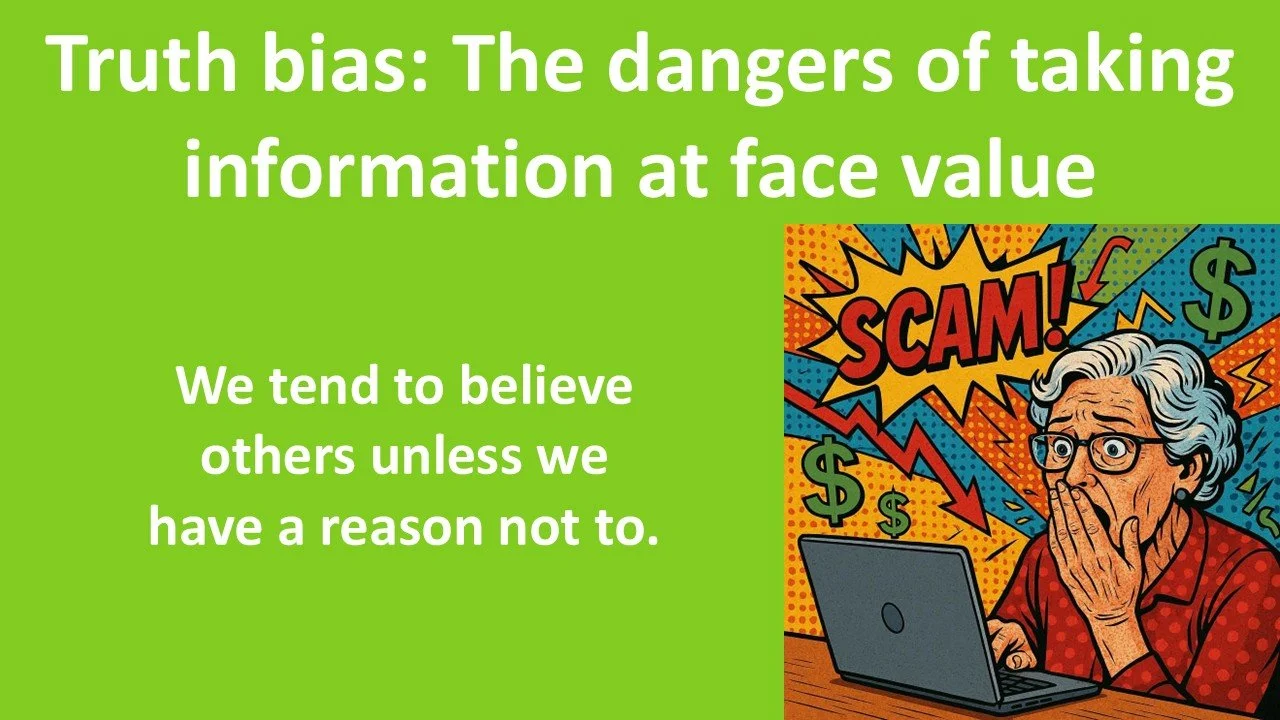
Truth bias: The dangers of taking information at face value
We tend to believe others unless we have a reason not to.

What You See Is All There Is (WYSIATI bias)
We rely on what we know and overlook what we don’t.
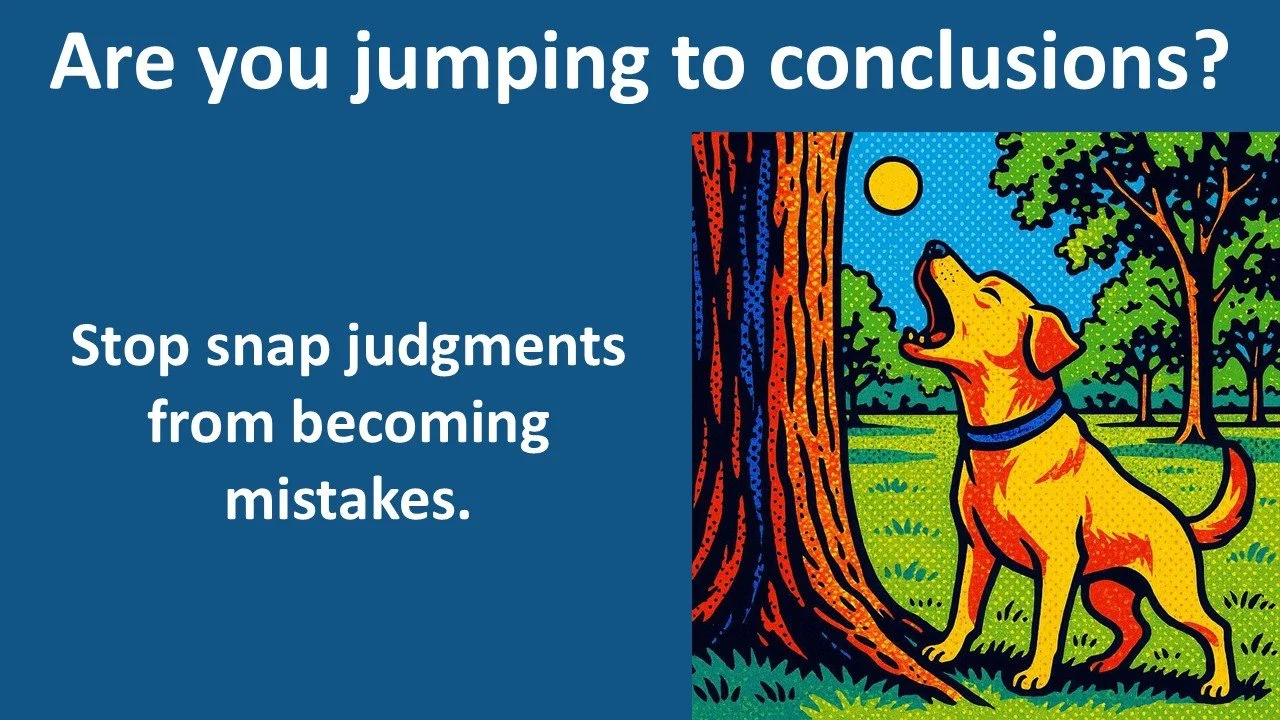

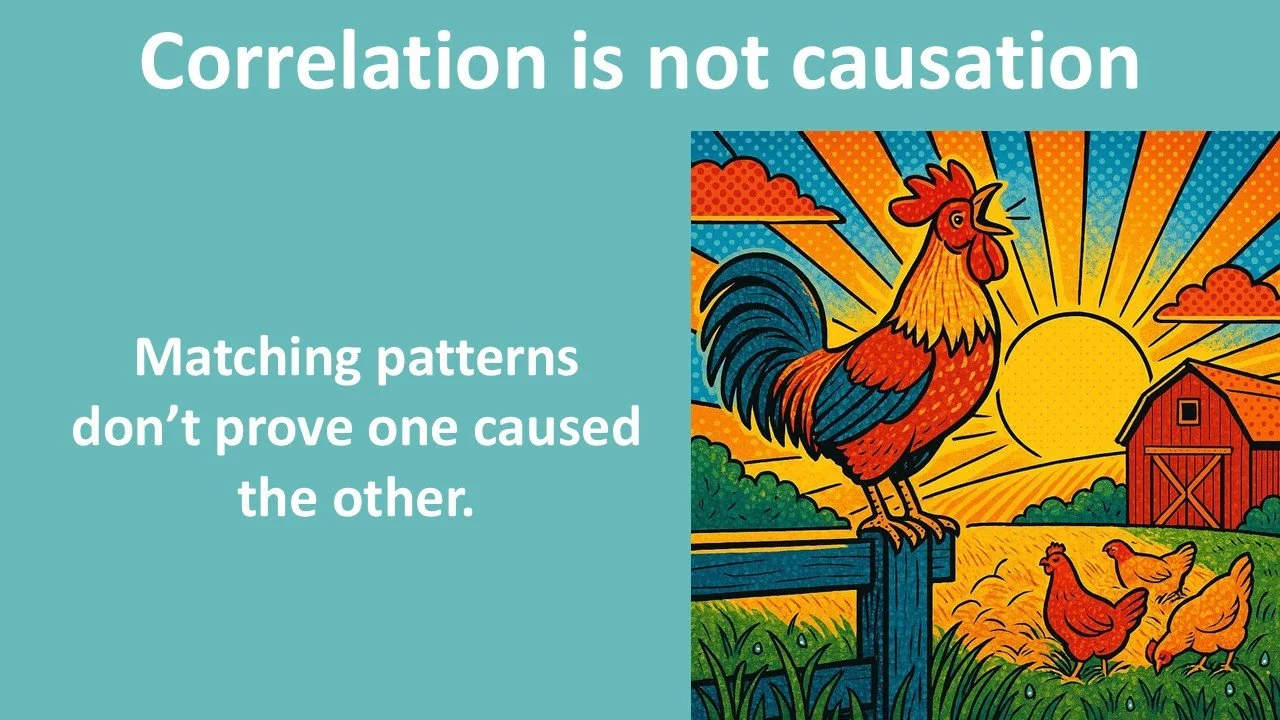
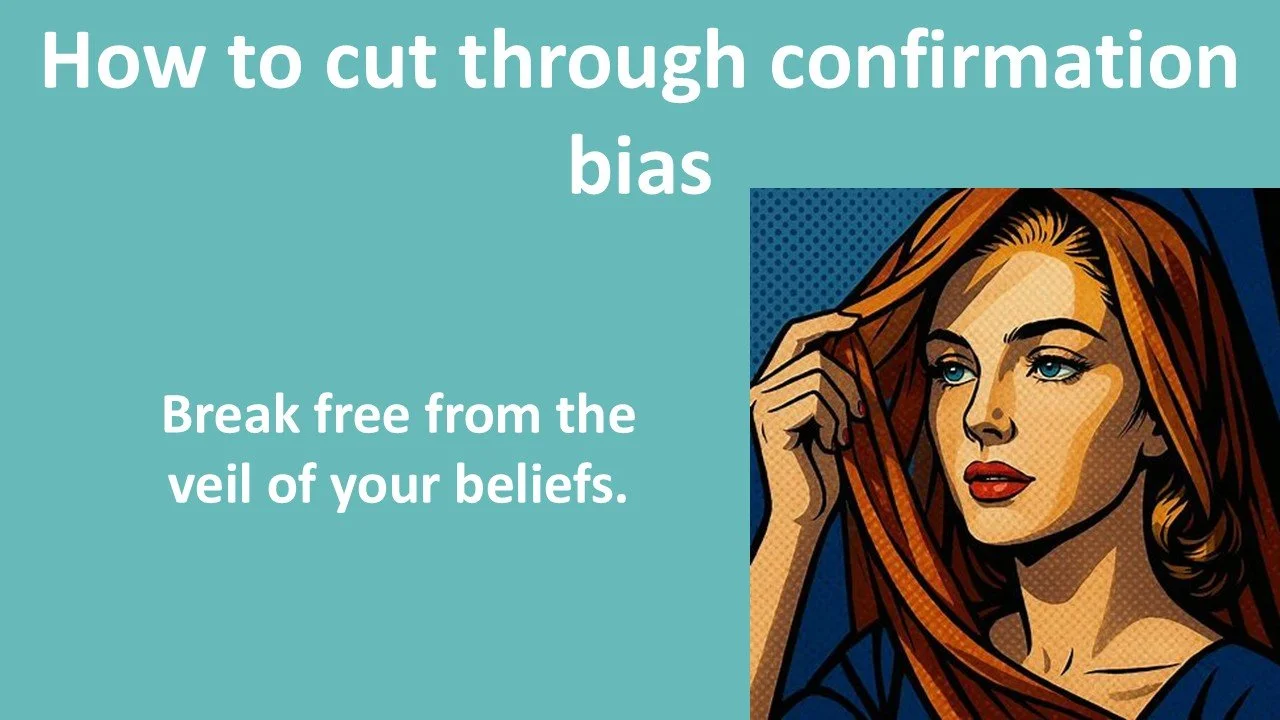


Inattentional blindness: Why we sometimes overlook the unexpected
When we focus on something else, we may overlook unexpected objects.

The peak-end rule: The remembering self trumps the experiencing self
We tend to judge past experiences mainly based on how we felt at the emotional peak and the end.

The sunk cost fallacy: Breaking free from the grip of irrecoverable past investments
We tend to let irrecoverable past investments influence our decisions, resulting in suboptimal outcomes.

Influence: The seven principles of persuasion
Understanding the power of persuasion principles and techniques.

The unity principle: Harnessing the power of our tribal instincts
We tend to favour those we consider to be one of us.

The consistency principle: Why you should be cautious agreeing to small requests
We tend to behave consistently with what we have said or done before.

The scarcity principle: Limited availability increases perceived value
We tend to assign more value to things that are perceived as scarce.

The fundamental attribution error: Underestimating the power of circumstances
When explaining the behaviour of others, we tend to overestimate the role of personality traits and underestimate the role of environmental influences.

Present bias: The present self trumps the future self
We tend to prefer immediate rewards at the expense of future rewards.

The authority principle: The dangers of blindly trusting authority figures
We tend to comply with requests from people in positions of authority.

The social proof principle: The influence of others on our choices
We tend to look at the actions or beliefs of others to determine what is appropriate.

The liking principle: Increasing influence through likeability
We tend to be more easily persuaded by people we like.